Key Takeaway: The right custom injection molder reduces waste by optimizing design, materials, and integrated production processes.
For OEMs facing rising material costs, tighter margins, and increasing pressure to operate more efficiently, waste reduction has become a strategic priority. Excess scrap, rework, and inefficient production processes don’t just impact sustainability metrics; they directly affect total cost of ownership, lead times, and long-term product performance.
Partnering with experienced custom injection molders plays a critical role in reducing waste without compromising part quality or functionality. By combining early design collaboration, disciplined process control, and integrated manufacturing services, OEMs can significantly improve yield and resource efficiency.
Let’s take a look at where production waste originates, how custom molders help eliminate it, and why the right manufacturing partner makes a measurable difference.
Where Production Waste Happens — and Why It Matters
Production waste rarely stems from a single issue. More often, it’s the cumulative result of small inefficiencies across the manufacturing lifecycle. Poorly optimized part designs can drive excessive material usage. Tooling that isn’t aligned with production volumes or resin behavior can increase scrap rates. Over-processing, secondary rework, and inconsistent quality further compound the problem.
For OEMs, the impact extends well beyond material loss. Waste drives up labor costs, increases cycle times, complicates inventory planning, and introduces risk into the supply chain. Over time, these inefficiencies inflate total cost of ownership and undermine product consistency, making waste reduction as much a business imperative as an environmental one.
The Role of Custom Injection Molders in Waste Reduction
Unlike high-volume commodity suppliers, custom injection molders design manufacturing processes around the specific requirements of each program. That customization starts with engineering collaboration. Through design-for-manufacturability (DFM) reviews and mold-flow analysis, potential inefficiencies are identified before tooling is cut, when changes are least expensive and most impactful.
Ferriot’s approach emphasizes optimizing part geometry, wall thickness, and tooling strategies to reduce resin consumption while maintaining structural integrity. By aligning process parameters with material behavior and part function, custom molders help OEMs shorten cycle times, improve first-pass yield, and avoid downstream rework that generates unnecessary waste.
Material and Process Optimization Strategies
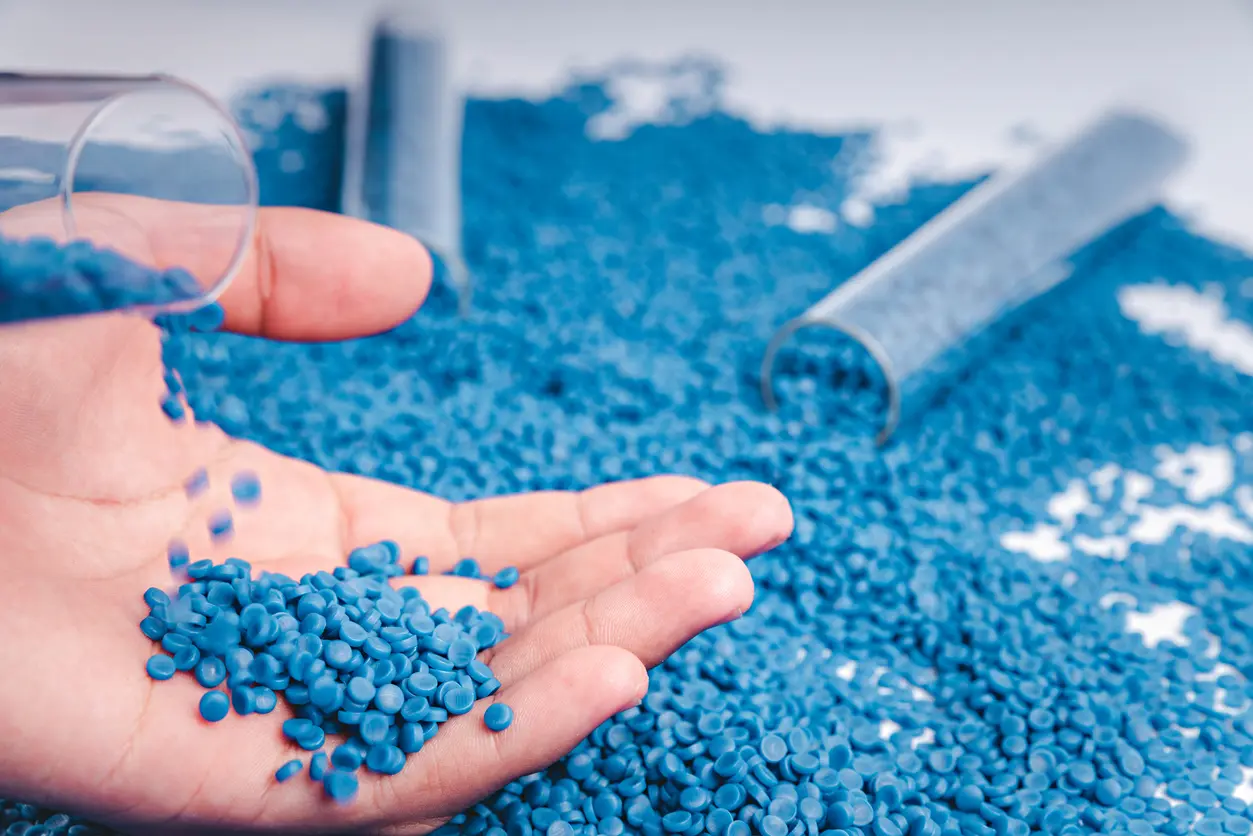
Material selection plays a major role in waste reduction. Choosing resins and fillers that balance performance requirements with manufacturability improves consistency and reduces processing variability. Precision dosing, controlled regrind usage, and closed-loop process monitoring further support stable production and predictable outcomes.
Modern press technology and automation also contribute to lower scrap rates. Advanced controls enable tighter tolerances and faster detection of process drift, allowing corrections before defects multiply. These strategies, when implemented holistically, help OEMs move from reactive problem-solving to proactive waste prevention.
Adding Value Beyond Molding
Waste reduction doesn’t stop at the molding press. Secondary operations introduce additional opportunities (and risks) if not managed carefully. When painting, decorating, and assembly are outsourced to multiple vendors, transportation, handling damage, and scheduling inefficiencies can quickly erode gains made upstream.
Ferriot’s vertically integrated model reduces these risks by keeping key operations under one roof. Integrated program management ensures coordination across molding, finishing, and assembly, minimizing unnecessary movement and improving overall production efficiency. For OEMs, this translates into fewer touchpoints, less waste, and more predictable outcomes.
Partner with the Right Custom Injection Molder
Reducing waste requires a manufacturing partner capable of aligning design, materials, tooling, and production strategy from the outset. The right custom injection molder brings engineering insight, disciplined process control, and end-to-end manufacturing support that delivers measurable cost savings and operational efficiency.
Ferriot supports OEMs with a collaborative, data-driven approach to injection molding, helping reduce scrap, improve yield, and control total cost of ownership across the product lifecycle. By focusing on precision, performance, and resource optimization, Ferriot helps OEMs achieve smarter, more efficient manufacturing.